
NERDC CURRICULUM
Are you a teacher, student, parent, or school administrator in Nigeria? The Nigerian Educational Research and Development Council (NERDC) has published resources for the revised national school curriculum. If you are preparing for the 2025/2026 academic session and beyond, it is important to understand the new curriculum structure and know where to access the official subject offerings.
The revised curriculum is designed to reduce subject overload, strengthen practical skills, encourage digital literacy, and make education more relevant to students’ future careers. This guide explains the revised School curriculum, its subject categories, and how to access the official resources online.
Official NERDC Curriculum Portal
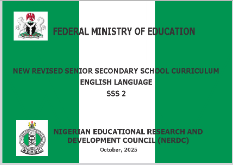
The Nigerian Educational Research and Development Council (NERDC) is responsible for developing and reviewing educational curricula in Nigeria. Its official website provides access to the revised Basic Education Curriculum and Senior Secondary Education Curriculum.
Access the official curriculum resources below:
- NERDC New Curriculum Home: https://www.nerdc.gov.ng/content_manager/new_curriculum_home.html
- Revised Senior Secondary Education Curriculum: https://nerdc.gov.ng/content_manager/new_senior_curriculum_home.html
- SSS 1 Curriculum Viewer: https://lmis.nerdcportals.com.ng/viewer/sss_1/1
The official NERDC website provides curriculum resources for primary school, junior secondary school, and senior secondary school levels.
What Is the New Nigerian School Curriculum?
The new curriculum is part of Nigeria’s effort to improve educational relevance and learning outcomes. The Federal Ministry of Education announced the curriculum review in September 2025, highlighting the need to reduce excessive subject loads, improve skill acquisition, and align education with modern demands.
Under the revised structure, the expected subject load is:
- Primary 1–3: 9–10 subjects
- Primary 4–6: 11–13 subjects
- JSS 1–3: 12–14 subjects
- SSS 1–3: 8–9 subjects
The revised senior secondary curriculum places greater emphasis on core and compulsory learning, alongside students’ chosen areas of study and practical trade skills.
A notable change is the introduction of Citizenship and Heritage Studies at the senior secondary level, bringing together aspects of Nigerian History, Civic Education, and Social Studies. Nigerian History is also reintroduced as a compulsory subject from Primary 1 to JSS 3.
These reforms aim to support academic learning, national values, employability, and practical competence.
New Revised Senior Secondary Curriculum
The revised SSS curriculum groups subject offerings into five main categories:
- Core and Compulsory Subjects
- Science Subjects
- Humanities Subjects
- Business Subjects
- Trades
Students, parents, teachers, and school administrators can use the official links below to explore the relevant curriculum categories.
1. Core and Compulsory Subjects
These subjects provide a foundation for learning and help students develop essential communication, numeracy, citizenship, digital, and practical skills.
The official SSS 1 core and compulsory subject page is available here:
CLICK HERE TO VIEW SSS 1 CORE AND COMPULSORY SUBJECTS
The listed subjects include:
- English Language
- General Mathematics
- Citizenship and Heritage Studies
- Digital Technologies
- Trades
The official portal provides the relevant subject resources for further consultation.
2. Science Subjects
The Science category supports students interested in scientific study, technology, health, agriculture, engineering-related fields, and other science-based careers.
Subjects listed on the SSS 1 Science page include:
- Biology
- Chemistry
- Physics
- Agricultural Science
- Further Mathematics
- Physical Education
- Health Education
- Food and Nutrition
- Geography
- Technical Drawing
CLICK HERE TO VIEW SSS 1 SCIENCE SUBJECTS
Teachers should consult the official curriculum for the detailed content, learning objectives, and subject requirements.
3. Humanities Subjects
The Humanities category covers subjects related to history, government, language, religion, literature, culture, and creative expression.
The listed offerings include:
- Nigerian History
- Government
- Christian Religious Studies (CRS)
- Islamic Studies
- Hausa Language
- Igbo Language
- Yoruba Language
- French
- Arabic
- Visual Arts
- Music
- Literature-in-English
- Home Management
- Catering Craft
CLICK HERE TO VIEW SSS 1 HUMANITIES SUBJECTS
These subjects can help students develop communication, cultural awareness, critical thinking, creativity, and an understanding of society.
4. Business Subjects
The Business category supports students interested in commerce, entrepreneurship, accounting, marketing, economics, and business administration.
The listed subjects include:
- Accounting
- Commerce
- Marketing
- Economics
CLICK HERE TO VIEW SSS 1 BUSINESS SUBJECTS
Students should use the official curriculum to understand the topics and learning expectations for each subject.
5. Trades and Practical Skills
One important feature of the revised curriculum is its emphasis on practical and vocational skills. Trade subjects can help learners develop competencies that may support entrepreneurship, employment, and further technical training.
The trade options identified in the Federal Ministry of Education’s curriculum announcement include:
- Solar Photovoltaic Installation and Maintenance
- Fashion Design and Garment Making
- Livestock Farming
- Beauty and Cosmetology
- Computer Hardware and GSM Repairs
- Horticulture and Crop Production
The announced structure provides for students to select one trade subject. Schools should consult the official curriculum and relevant implementation guidance to confirm available offerings and requirements.
CLICK HERE TO VIEW SSS 1 TRADE SUBJECTS
How to Access the Revised SSS 1 Curriculum Online
Follow these steps to explore the official curriculum resources:
Step 1: Visit the NERDC website at https://www.nerdc.gov.ng/content_manager/new_curriculum_home.html.
Step 2: For senior secondary school resources, open the dedicated Senior Secondary Education Curriculum page at https://nerdc.gov.ng/content_manager/new_senior_curriculum_home.html.
Step 3: Open the SSS 1 curriculum viewer at https://lmis.nerdcportals.com.ng/viewer/sss_1/1.
Step 4: Select the relevant subject category: Core and Compulsory, Science, Humanities, Business, or Trades.
Step 5: Open the subject you need and review the available curriculum materials.
Step 6: If you need to prepare a scheme of work, lesson note, assessment, or teaching plan, use the official subject content as your reference.
What if the Curriculum Viewer Does Not Open?
If the curriculum viewer does not load properly, try the following:
- Open the link in an updated version of Google Chrome.
- Check your internet connection.
- Try opening the subject category page first instead of the individual curriculum viewer.
- Use a different browser or device if the page remains unavailable.
You can also start from the main NERDC curriculum website and navigate to the appropriate level.
What the New Curriculum Means for Teachers and School Administrators
The revised curriculum is important for classroom planning and school administration. Teachers should familiarise themselves with the updated subject structure and ensure that their teaching materials reflect the applicable curriculum.
School administrators should also review their subject offerings, timetables, staffing arrangements, and instructional resources against the official requirements.
Teachers may need to update:
- Schemes of work
- Lesson notes and lesson plans
- Continuous assessment questions
- Examination questions
- Practical activities and instructional materials
- Student subject-selection guidance
Schools should avoid relying solely on old schemes of work or unofficial subject lists. The official NERDC resources should remain the primary reference for curriculum planning.
Frequently Asked Questions (FAQs)
1. Where can I find the new Nigerian school curriculum?
Visit the official NERDC New Curriculum Home at https://www.nerdc.gov.ng/content_manager/new_curriculum_home.html. For senior secondary school materials, use https://nerdc.gov.ng/content_manager/new_senior_curriculum_home.html.
2. Where can I view the new SSS 1 curriculum?
Use the official SSS 1 curriculum viewer: https://lmis.nerdcportals.com.ng/viewer/sss_1/1.
3. What are the subject categories in the revised SSS 1 curriculum?
The categories are Core and Compulsory, Science, Humanities, Business, and Trades.
4. Is Digital Technologies included in the revised SSS 1 curriculum?
Yes. Digital Technologies is listed among the core and compulsory subjects on the official SSS 1 curriculum portal.
5. Does the revised curriculum include vocational subjects?
Yes. The revised senior secondary curriculum includes trade subjects intended to strengthen practical and vocational skills. Consult the official portal for the relevant curriculum details.
6. Where can teachers obtain the correct scheme of work?
Teachers should consult the official NERDC curriculum for their subject and class. They can then use the prescribed content to prepare schemes of work, lesson notes, assessments, and other classroom materials.
Final Thoughts
Nigeria’s revised school curriculum represents an important effort to make education more focused, practical, and relevant to learners’ needs. Teachers, parents, students, and school administrators should familiarise themselves with the revised subject structure and consult official curriculum resources when planning teaching and learning.
Bookmark this guide and share it with teachers, school administrators, parents, and students who need access to the new curriculum.
Official resource links at a glance:
- NERDC New Curriculum Home
- Revised Senior Secondary Curriculum
- SSS 1 Core and Compulsory Subjects
- SSS 1 Science Subjects
- SSS 1 Humanities Subjects
- SSS 1 Business Subjects
- SSS 1 Trade Subjects
- SSS 1 Curriculum Viewer
Note: Curriculum portals and implementation guidance may be updated. Always consult the latest official NERDC information for final subject-selection and implementation decisions.